How to Sell My Art?
If you've ever typed "how to sell my art" into Google at 11pm after finishing a painting you're quietly proud of, you're in good company. Almost every artist reaches the point where the work is piling up in the studio and the question shifts from can I make this? to how do I get this into someone's home?
Here's the honest answer: there's no single magic channel. The artists who sell consistently almost never rely on one avenue — they build a small ecosystem where a gallery show feeds their mailing list, their mailing list feeds their website sales, and their website makes every other channel work harder. So let's walk through all of them — what each one is good for, what it costs you, and how to make them work together.
1. Start Here: Your Own Website Is Home Base
Before we talk about marketplaces and galleries, let's establish the foundation, because every other channel on this list eventually points back to one place.
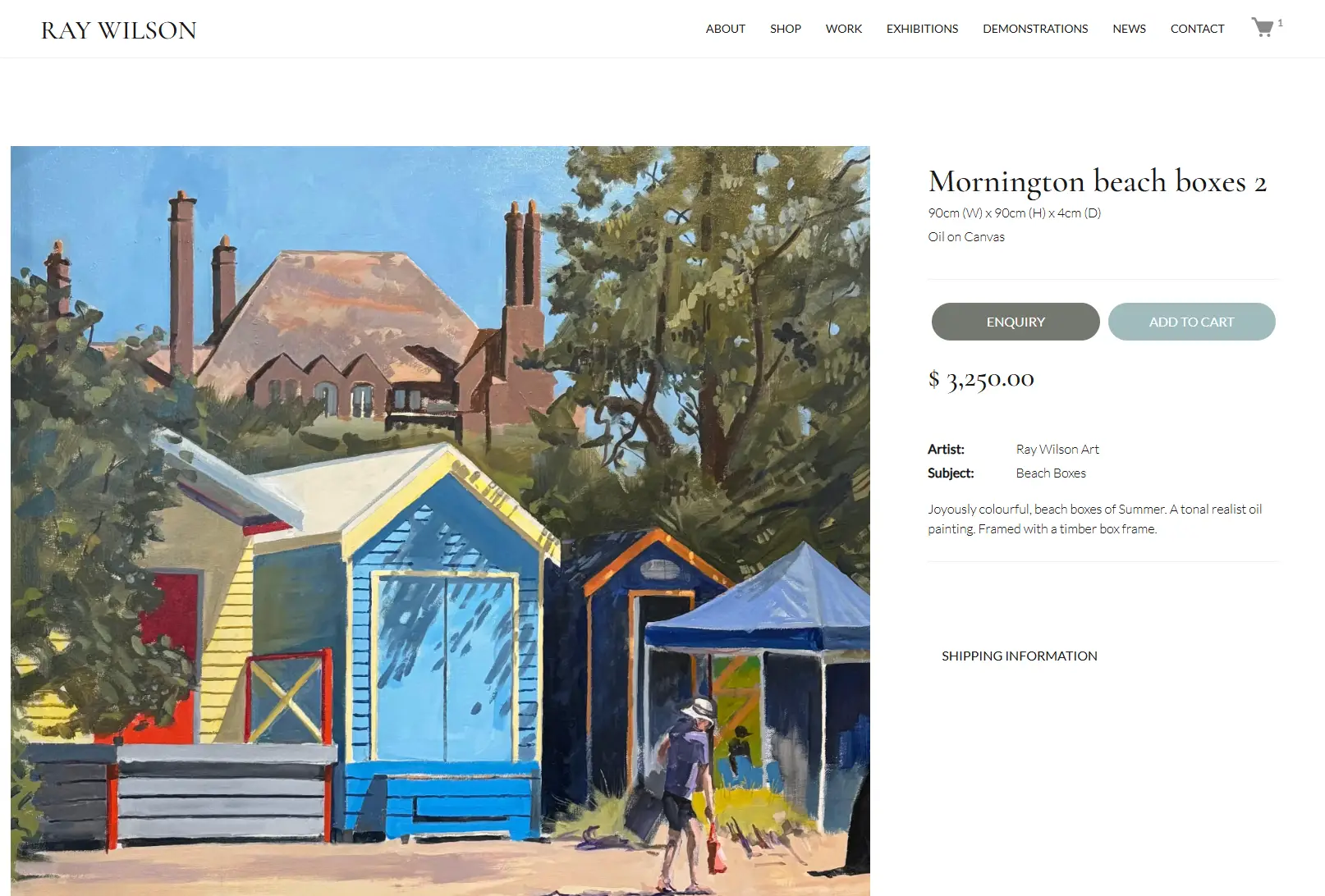
When a collector meets you at a market, sees your work in a group show, or stumbles across you on Instagram, the very next thing they do is search your name. What they find decides whether the interest turns into a sale. If they land on a professional website with a curated portfolio, clear prices, and a simple way to buy or enquire — wonderful. If they find a dormant Instagram account and a dead link, the moment passes.
Selling from your own website has one enormous advantage over everywhere else: you keep the full sale price. No 40% gallery commission, no marketplace fees quietly eating your margin. You also own the relationship — the collector's email address is yours, not a platform's. And unlike social media, where an algorithm decides who sees your work, your website works for you around the clock, on your terms.
Make sure yours has high-quality images with titles, dimensions, and prices; a warm, human "About" page; and a buy or enquire button on every available work. (We've written a whole guide on what an artist website should include if you want the full checklist.)
2. Online Marketplaces: Borrowed Audiences, Shared Profits
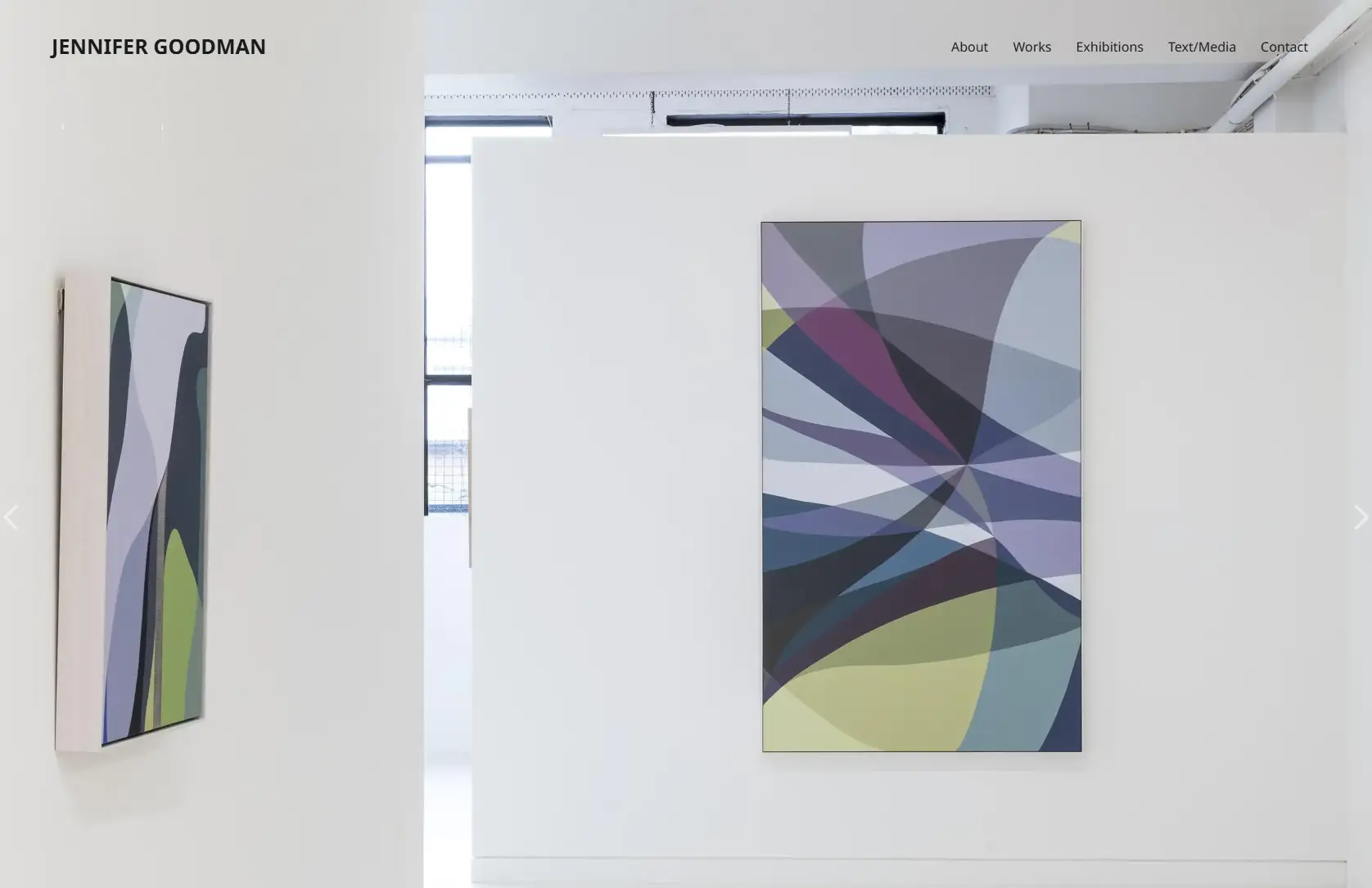
Online art marketplaces — Saatchi Art, Artfinder, Singulart, Bluethumb here in Australia, and others — are like renting a stall in a busy shopping centre. The foot traffic is real: these platforms spend serious money attracting collectors, and being accepted onto a curated one lends your work credibility.
The trade-off is the commission. Saatchi Art takes around 40% of each sale. Artfinder takes 40–45% plus a monthly subscription. Singulart takes as much as 50%. Etsy is cheaper — roughly 10–15% all up once transaction and processing fees are counted — but you're competing in an ocean of listings, and it suits prints and lower-priced work better than significant originals.
None of this makes marketplaces a bad idea. It makes them a channel, not a business. Use them to reach collectors you couldn't reach yourself, price your work to absorb the commission (more on pricing below), and treat every marketplace sale as an introduction — because a collector who loves your work will happily buy the next piece directly from your website, where you keep everything.
3. Galleries: Prestige, Access, and a 40–50% Handshake
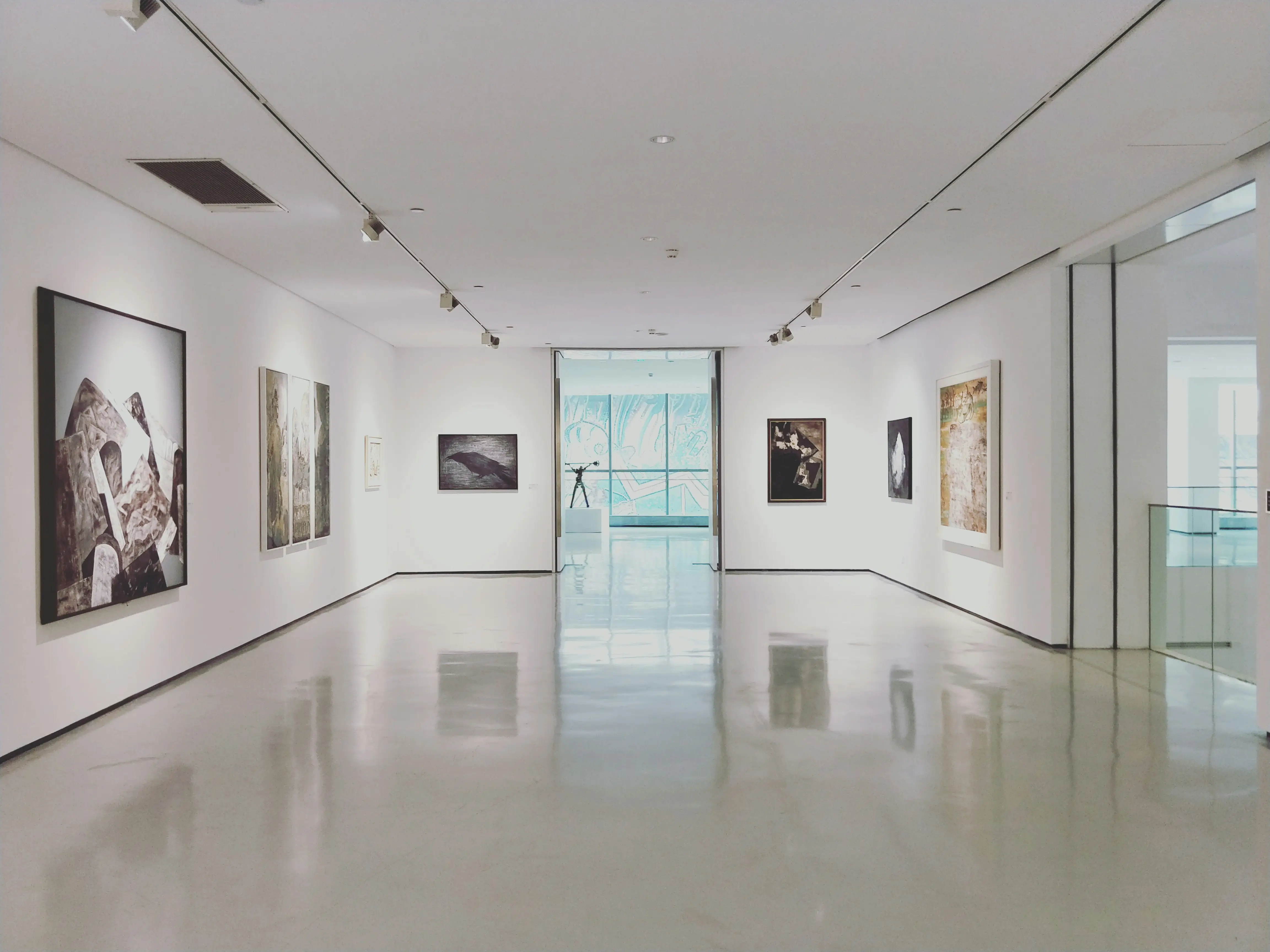
Gallery representation still matters, especially if you want your work in serious collections. A good gallery brings things you can't easily buy: a collector base built over decades, curatorial credibility, art fair presence, and the simple power of someone else advocating for your work.
The standard gallery commission is 40–50%, and that's fair — a good gallery earns it. The key word is good. Before approaching a gallery, visit it. Look at whose work they show and whether yours fits their program. Then approach professionally: a short email, a link to your website (this is where that professional portfolio does the heavy lifting), and a thick skin about response times.
Two things to keep in mind. First, read the consignment agreement carefully — know who insures the work, how long they hold it, and when you get paid. Second, gallery representation and direct sales can coexist, but be upfront about it. Most galleries expect that work consigned to them isn't simultaneously listed cheaper on your website. Consistency in pricing across every channel protects everyone — especially you.
4. Art Fairs, Markets, and Open Studios: Selling Face to Face
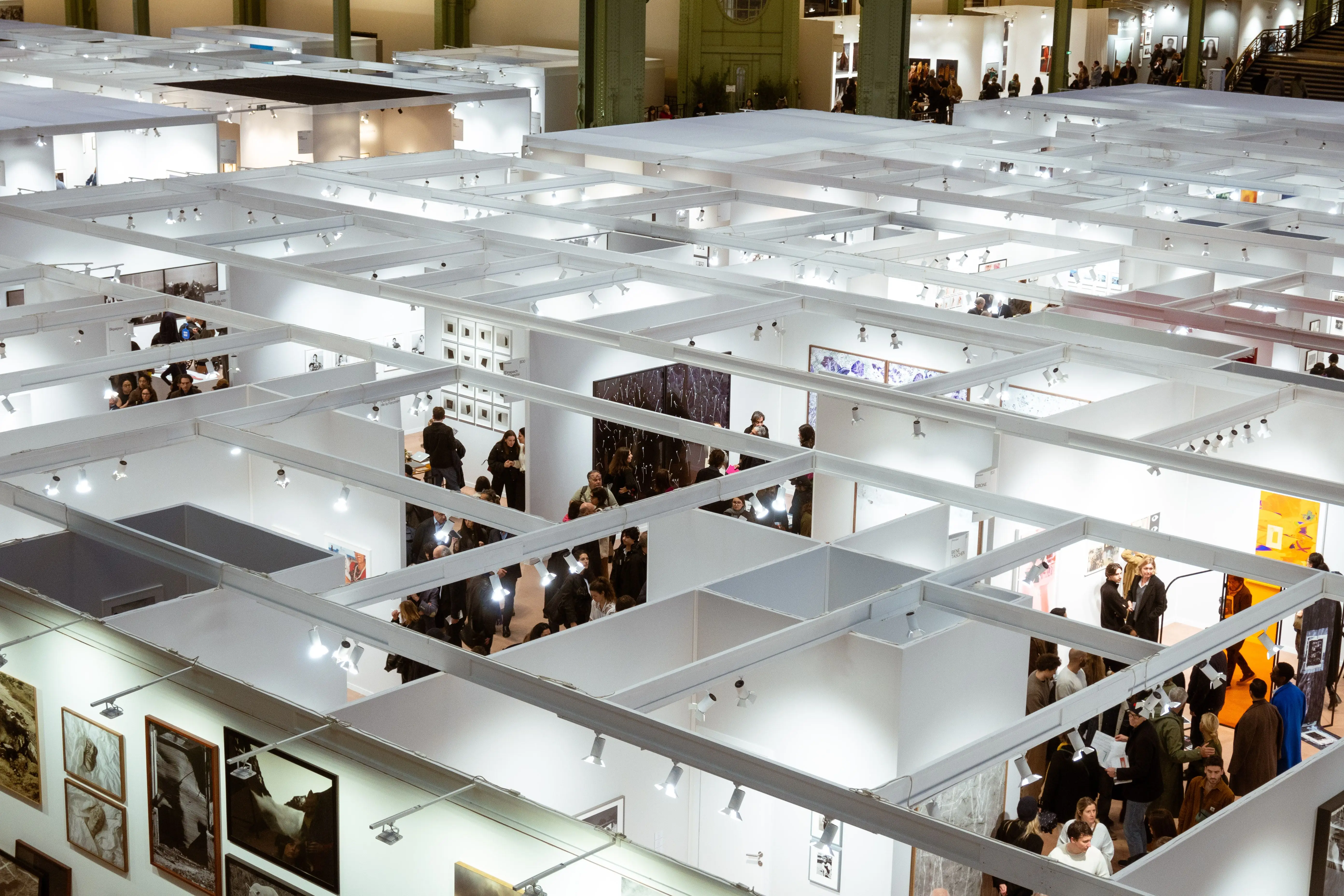
Nothing sells art like standing next to it. At markets, art fairs, and open studio events, people can see the texture, the scale, and — crucially — meet the human who made it. Buyers are far more likely to purchase when there's a story and a face attached, and these events compress months of online relationship-building into a single conversation.
Local weekend markets and regional art shows are a low-cost entry point; larger art fairs cost more in booth fees but attract buyers who came specifically to purchase art. Open studios are perhaps the most underrated of all — inviting people into the place where the work is made creates a kind of intimacy no other channel can match.
Whatever the event, do these three things: take card payments (a surprising number of sales die at "cash only"), display your website address prominently, and — most importantly — collect email addresses. A clipboard or a QR code linking to your newsletter signup will quietly turn one good market day into years of future sales. The person who admires your work but doesn't buy today is often the person who commissions a piece next year — if you can stay in touch.
5. Commissions: Selling Art That Doesn't Exist Yet
Commissioned work — portraits, pet portraits, house paintings, custom pieces for a specific wall — is one of the most reliable income streams available to artists, because the sale happens before the work is made.
The keys to happy commissions are boundaries and process. Decide what you will and won't take on. Ask for a deposit (30–50% is standard) before you pick up a brush. Agree on size, palette, timeline, and the number of revision rounds in writing. And show progress photos at agreed stages so there are no surprises at handover.
Your website should announce that you take commissions, show examples of past commissioned work, and explain your process simply. "Commissions open" is one of the most clicked phrases on any artist's site.
6. Prints and Reproductions: Income from Work You've Already Made
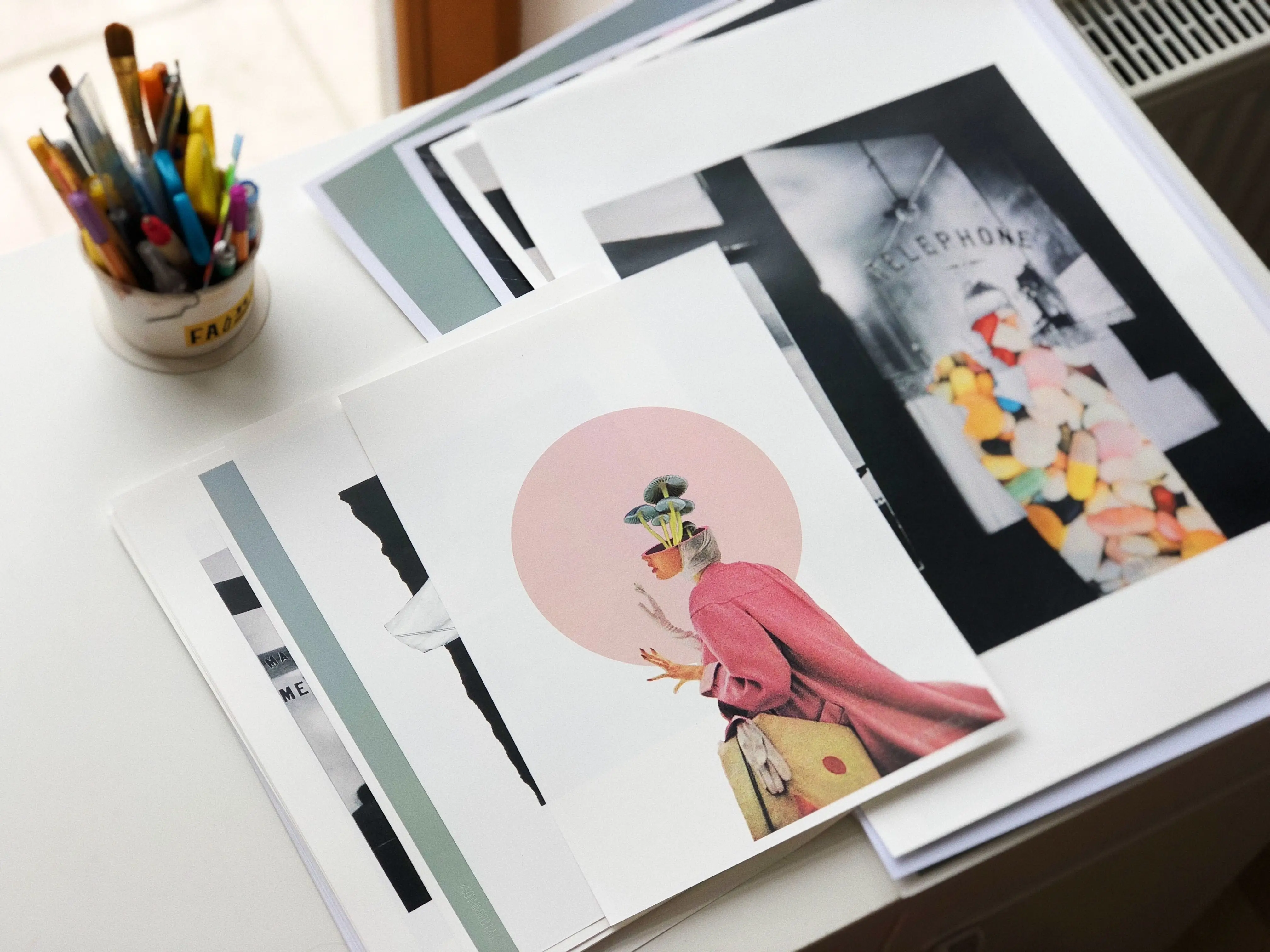
Originals have a ceiling: each one can only sell once. Prints let a single artwork earn for years, and they give admirers who can't stretch to an original a way to own your work — and to become original-buyers later.
You have two broad paths. Print-on-demand platforms (Fine Art America, Redbubble, Society6) handle printing and shipping for you; the trade-off is thin margins and little control over quality. Self-fulfilled prints — produced with a good local fine-art printer and sold through your own website — cost more effort but earn far more per sale and let you control the paper, the edition size, and the experience.
If you go the self-fulfilled route, consider limited editions. Numbering and signing an edition of 50 creates scarcity, justifies a higher price, and feels collectible rather than decorative.

7. Social Media: The Shop Window, Not the Shop
Instagram, TikTok, Pinterest and Facebook are wonderful for one thing: being discovered. Process videos, studio glimpses, time-lapses of a painting coming together — this is the content that travels, and it costs nothing but time.
But treat social media as the shop window, not the shop. Algorithms change, reach rises and falls, and accounts can vanish overnight — none of it is yours. The job of every post is ultimately to move people somewhere you do own: your website and your mailing list. Put your website link everywhere, mention when works are available, and don't be shy about it. Followers genuinely want to know how to buy; telling them is a service, not an imposition.
8. Your Mailing List: The Quiet Channel
"That Outsells Everything"
Ask established artists where their sales actually come from and you'll hear the same unglamorous answer again and again: email. A mailing list is a room full of people who have already raised their hand and said "I want to hear from you." No algorithm stands between you and them.
You don't need to email often — monthly or even quarterly is plenty. New work, an upcoming exhibition, a studio story, first access to a new collection before it goes public. That last one is powerful: "My newsletter subscribers see new paintings 48 hours before anyone else" turns a list into a collectors' circle, and it's astonishing how many pieces sell in those 48 hours.
Grow the list everywhere: a signup on every page of your website, a clipboard at every market, a mention in every Instagram bio.

9. The Wider World: Licensing, Interior Designers, and Corporate Sales
Beyond the familiar channels, a few less obvious doors are worth knocking on.
Licensing means renting the image of your work — to publishers, homeware brands, book covers, greeting cards — while keeping the original. It can produce genuinely passive income once agreements are in place.
Interior designers and art consultants buy art constantly, in multiples, for homes, hotels, offices and hospitals. They're wonderful clients: decisive, repeat, and less price-sensitive than the general public. A professional website with clear dimensions and pricing is exactly what they need to specify your work — many will never contact an artist who doesn't have one.
Cafés, restaurants and local businesses offer wall space in exchange for the exposure (and usually a small commission on sales). It's not a fortune-maker, but it puts work in front of people who'd never enter a gallery — always with a discreet label carrying your name, price, and website.
10. Getting the Price Right
A quick word on the thing everyone finds hardest. Underpricing is the most common mistake artists make — it doesn't just cost you money, it quietly tells buyers the work isn't serious.
A few principles: price consistently across every channel (a collector who finds the same painting cheaper on your website than in your gallery loses trust in both); build commissions into your baseline price so a marketplace sale doesn't leave you underwater; use a formula as a starting point (many artists use size-based pricing — a rate per square centimetre — or time plus materials times a multiplier); and raise prices gradually as work sells. If everything you make sells instantly, that's not just flattering — it's a pricing signal.
Bringing It All Together
Selling your art isn't about finding the one perfect channel — it's about building a small, connected system. The market stall collects the email address. The email announces the exhibition. The exhibition sends people to your website. The website closes the sale — and keeps the whole price in your pocket.
And at the centre of that system sits one thing: a professional website that shows your work beautifully, tells your story, and makes buying effortless. It's the only channel you fully own, and it makes every other channel work harder.
That's exactly what we build at Artsphere — websites designed specifically for artists, with portfolios, online sales, exhibition pages, and built-in newsletters, all set up for you by our Melbourne-based team. No wrestling with website builders; just your art, presented the way it deserves. Get started with your artist website today.
Be seen. Be collected. Be remembered.