
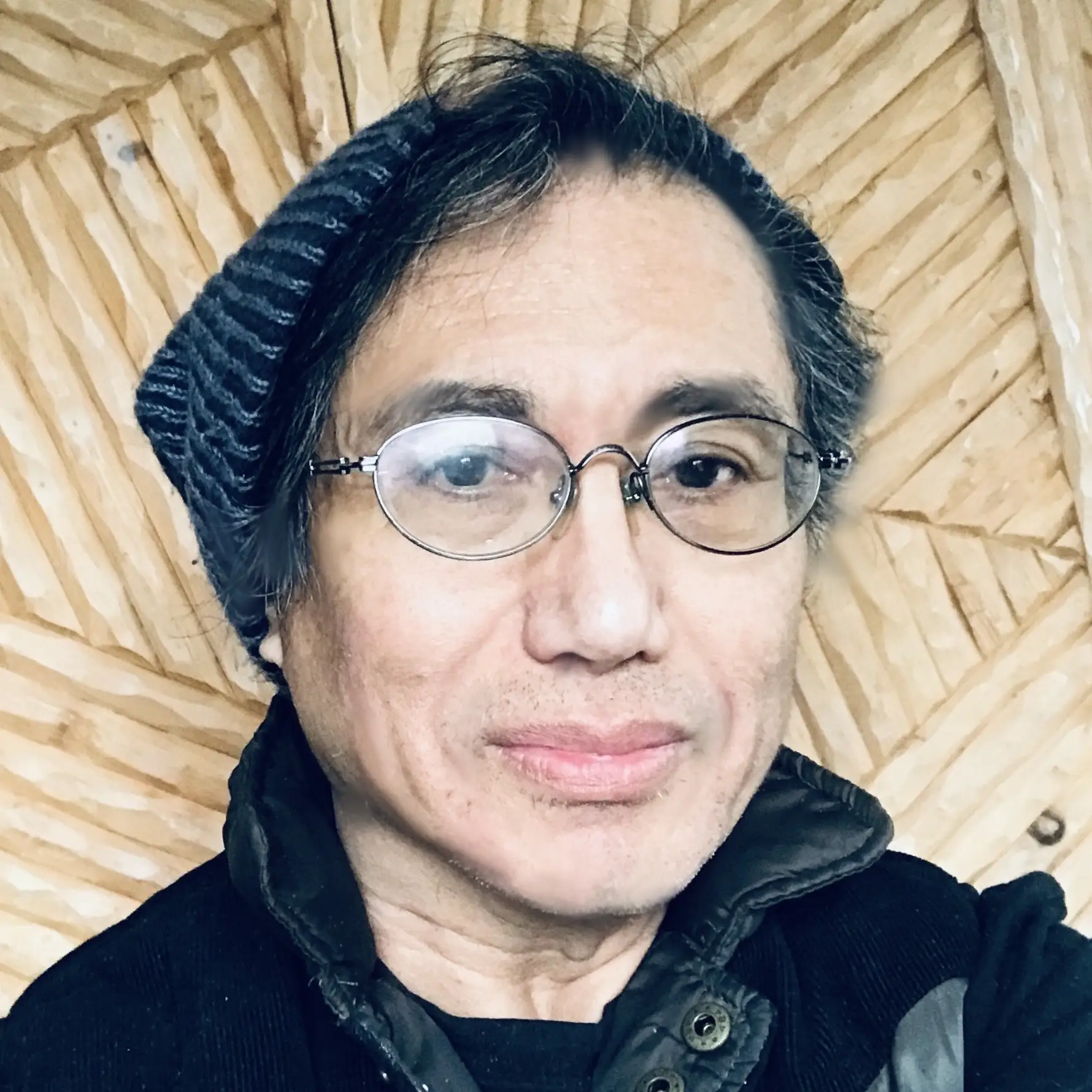
Carlos Santiago
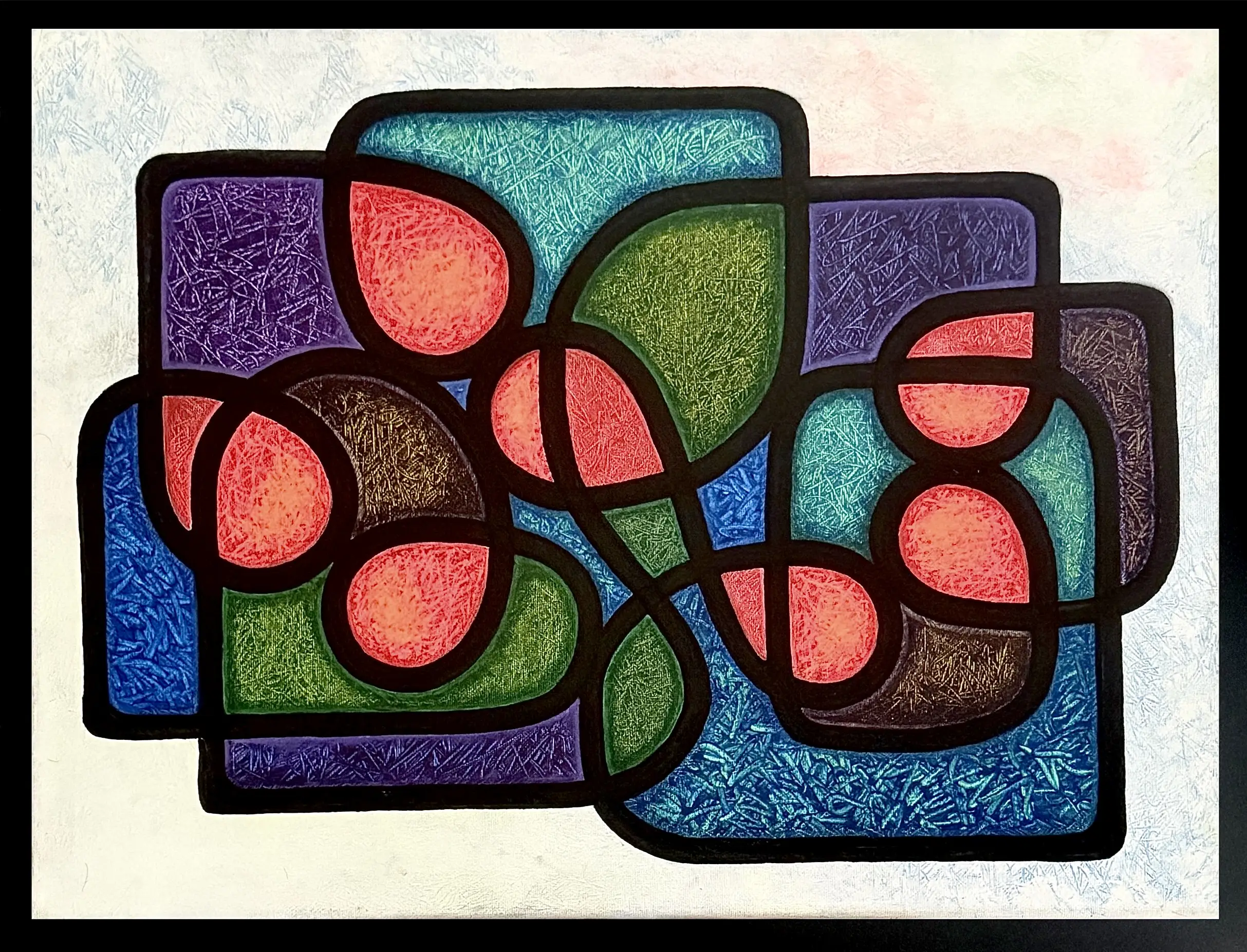
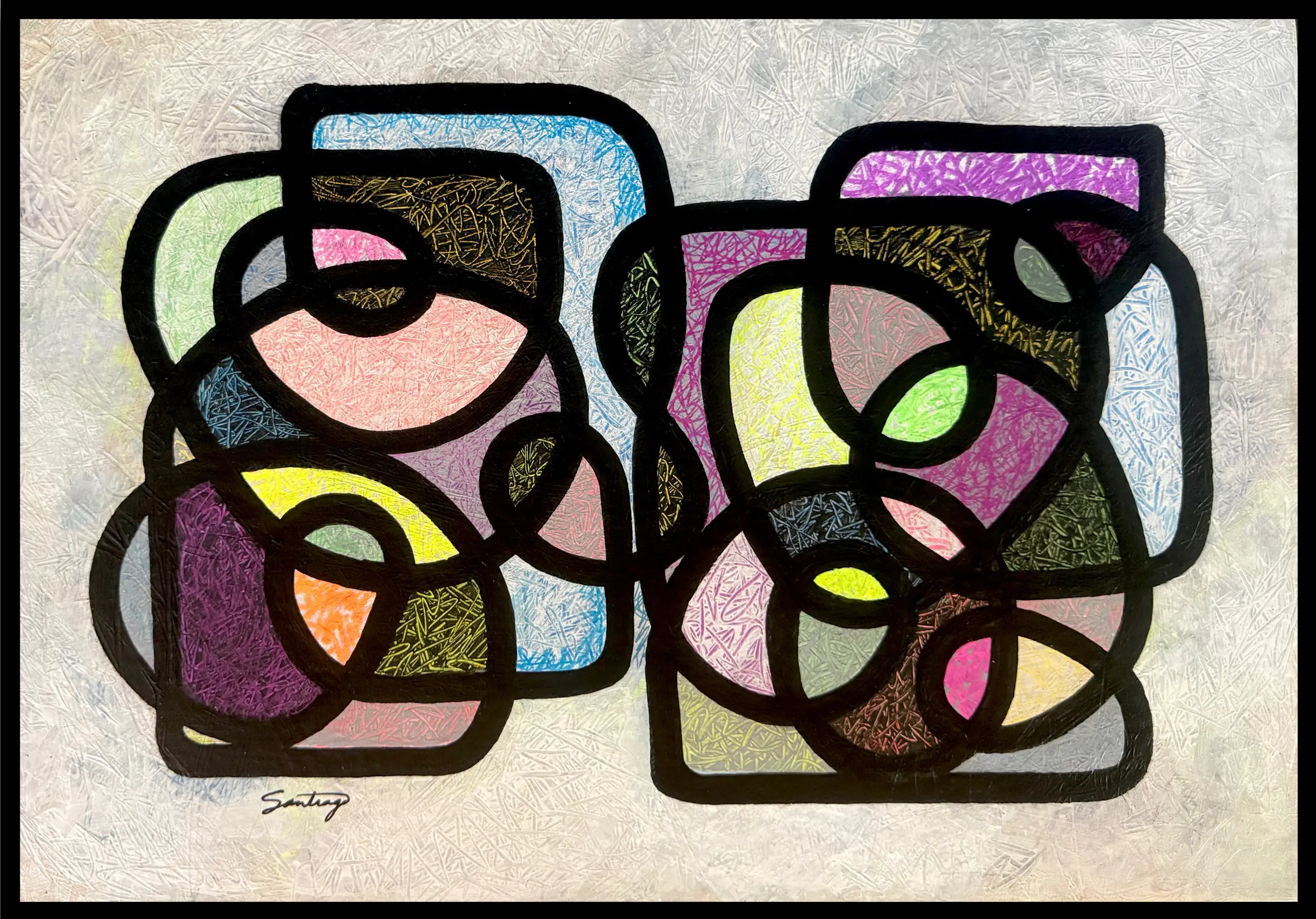
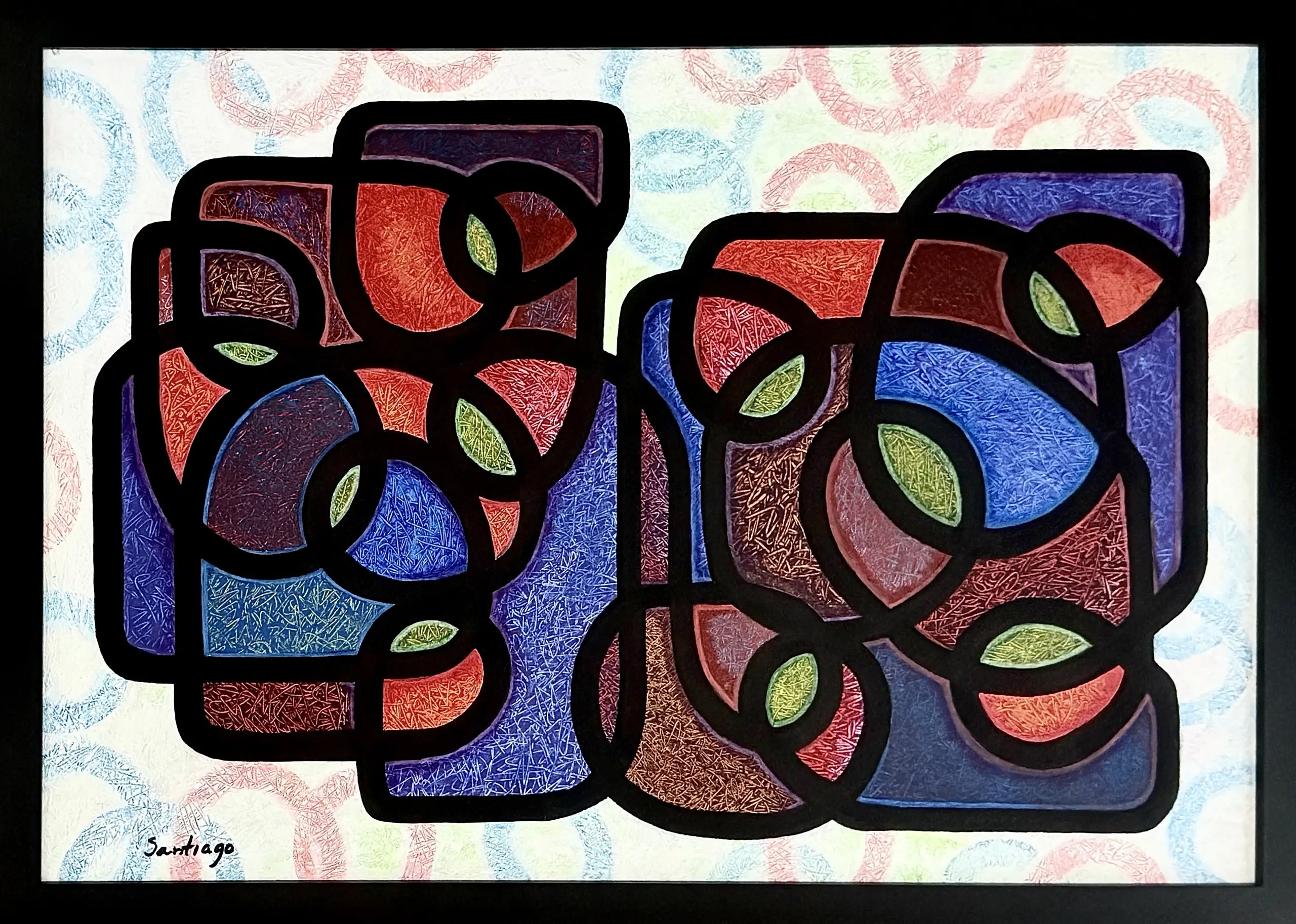
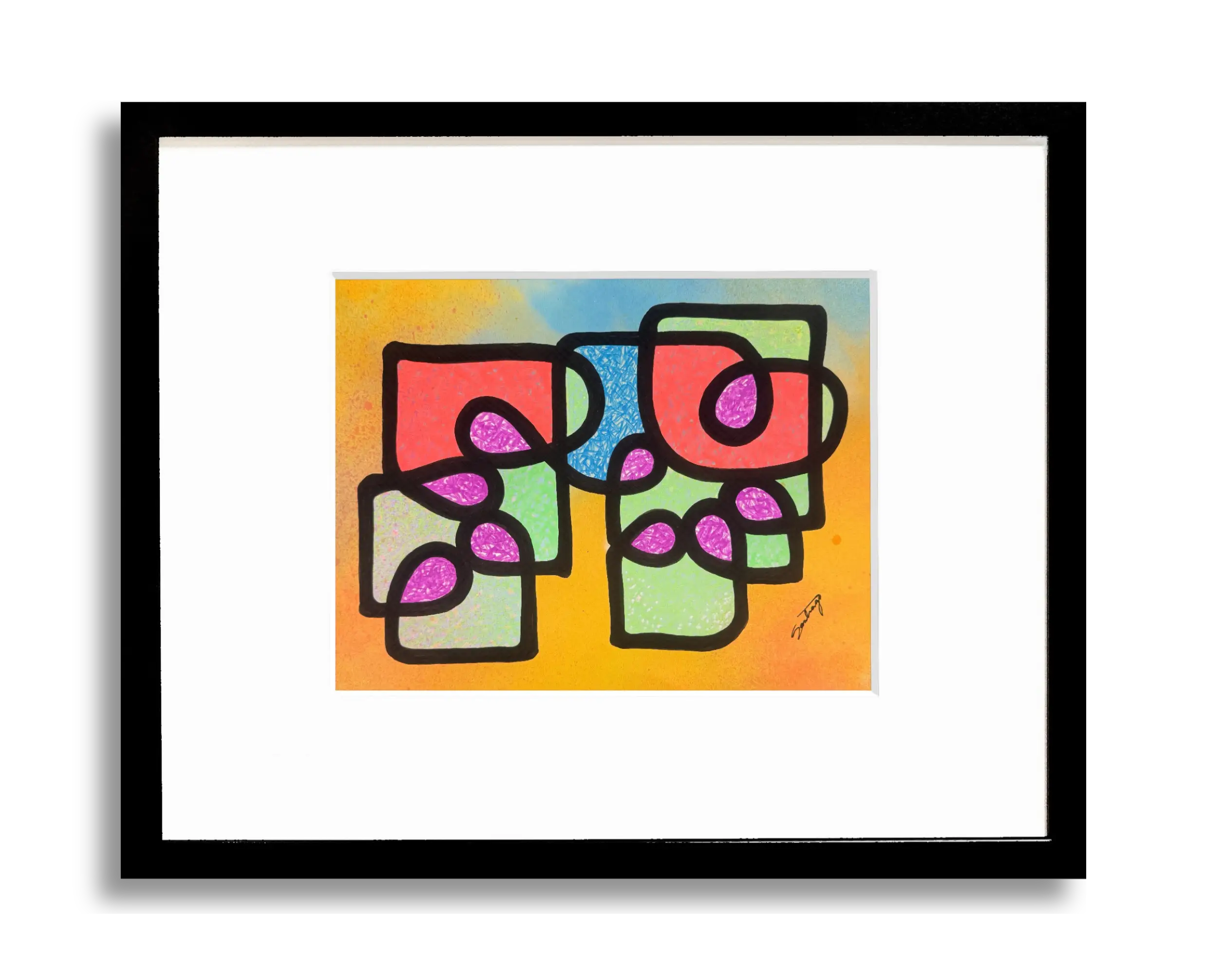
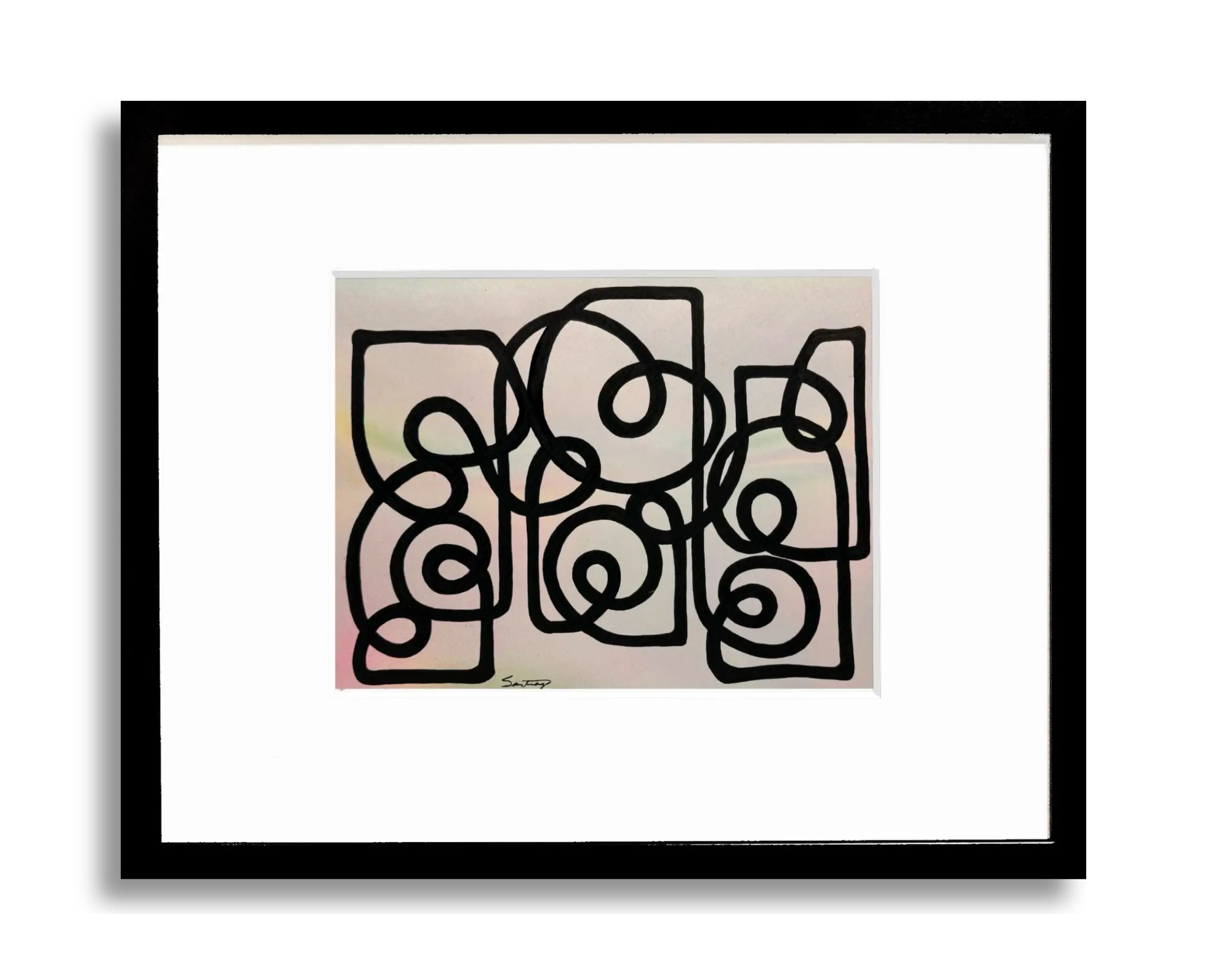
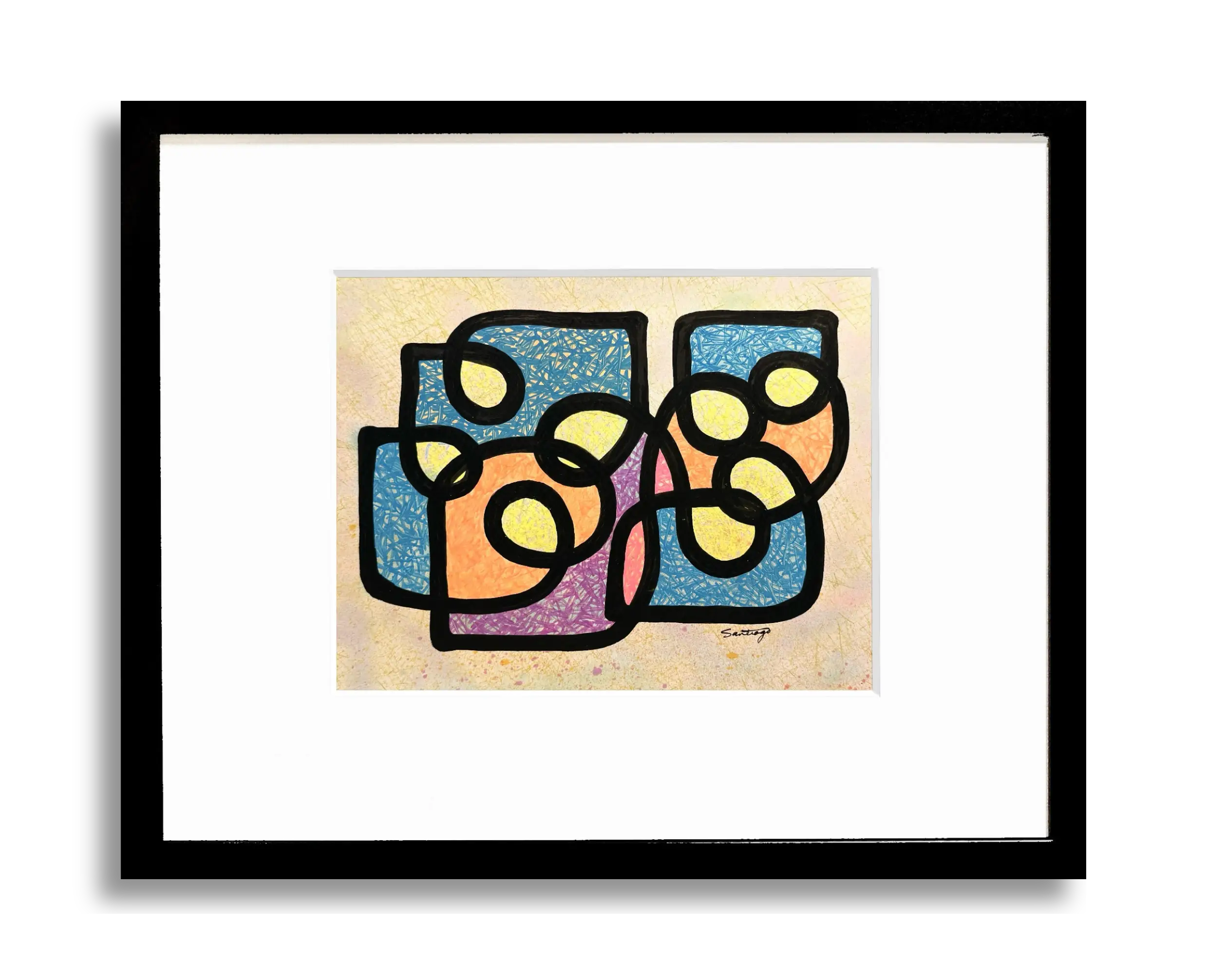
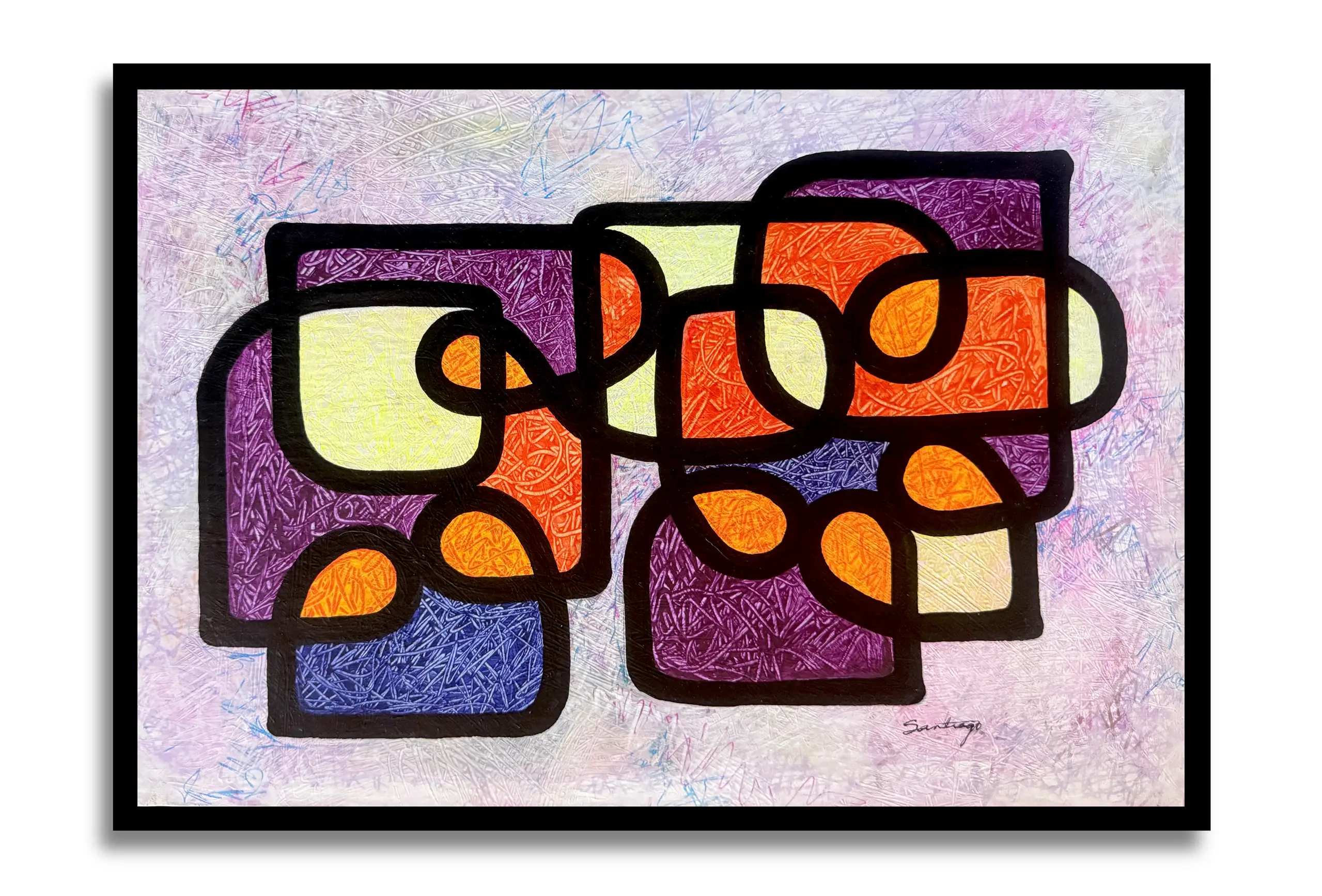
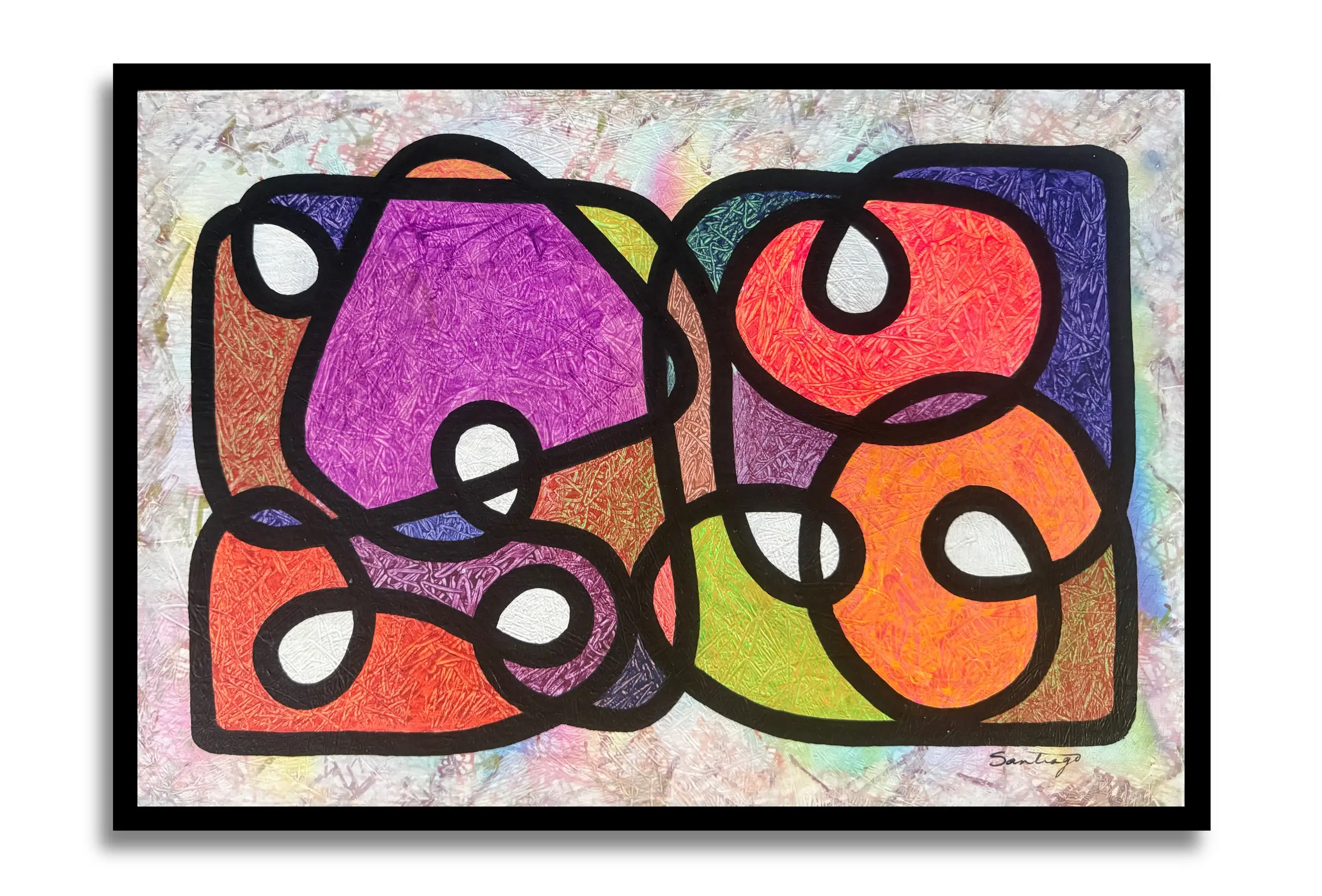
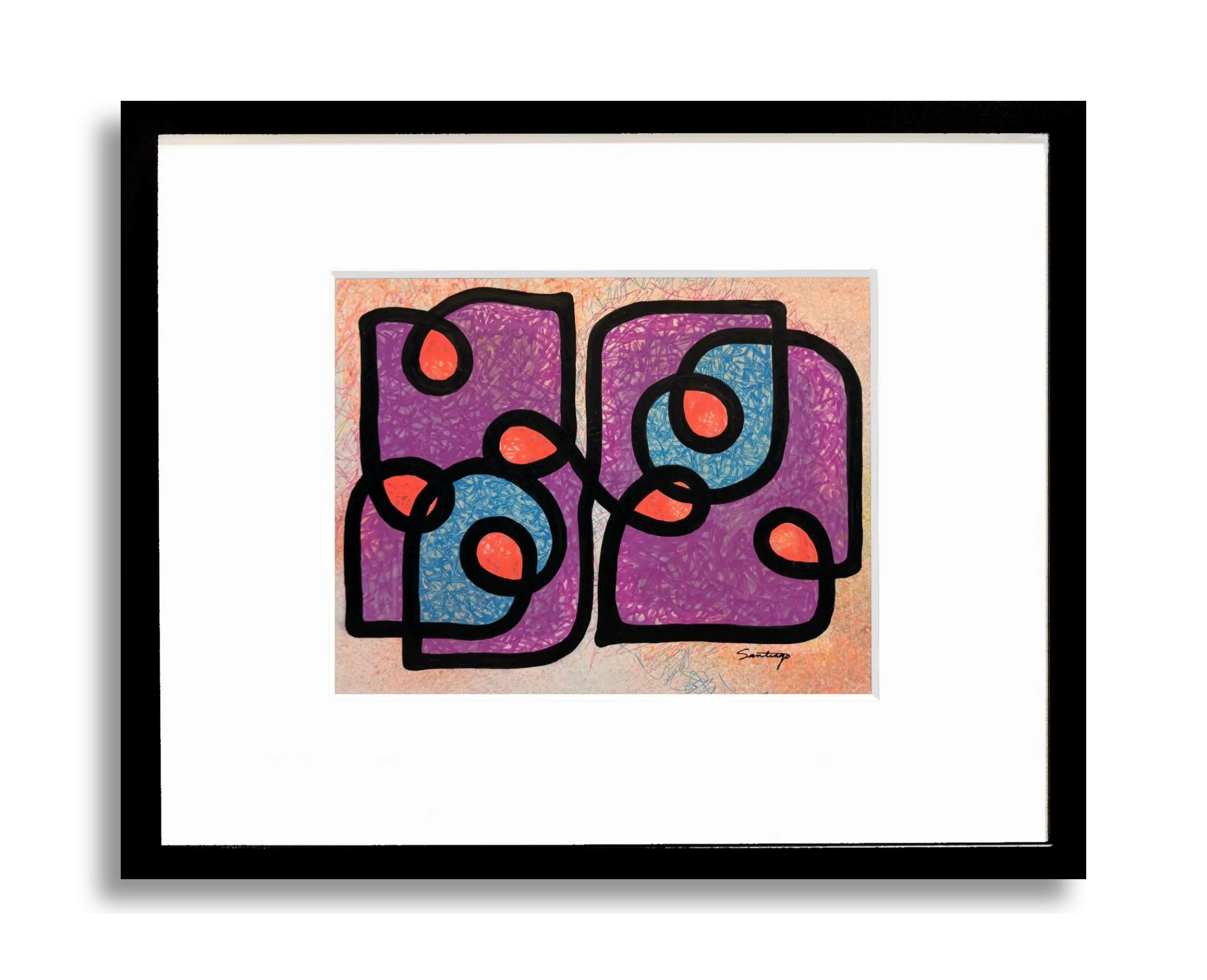
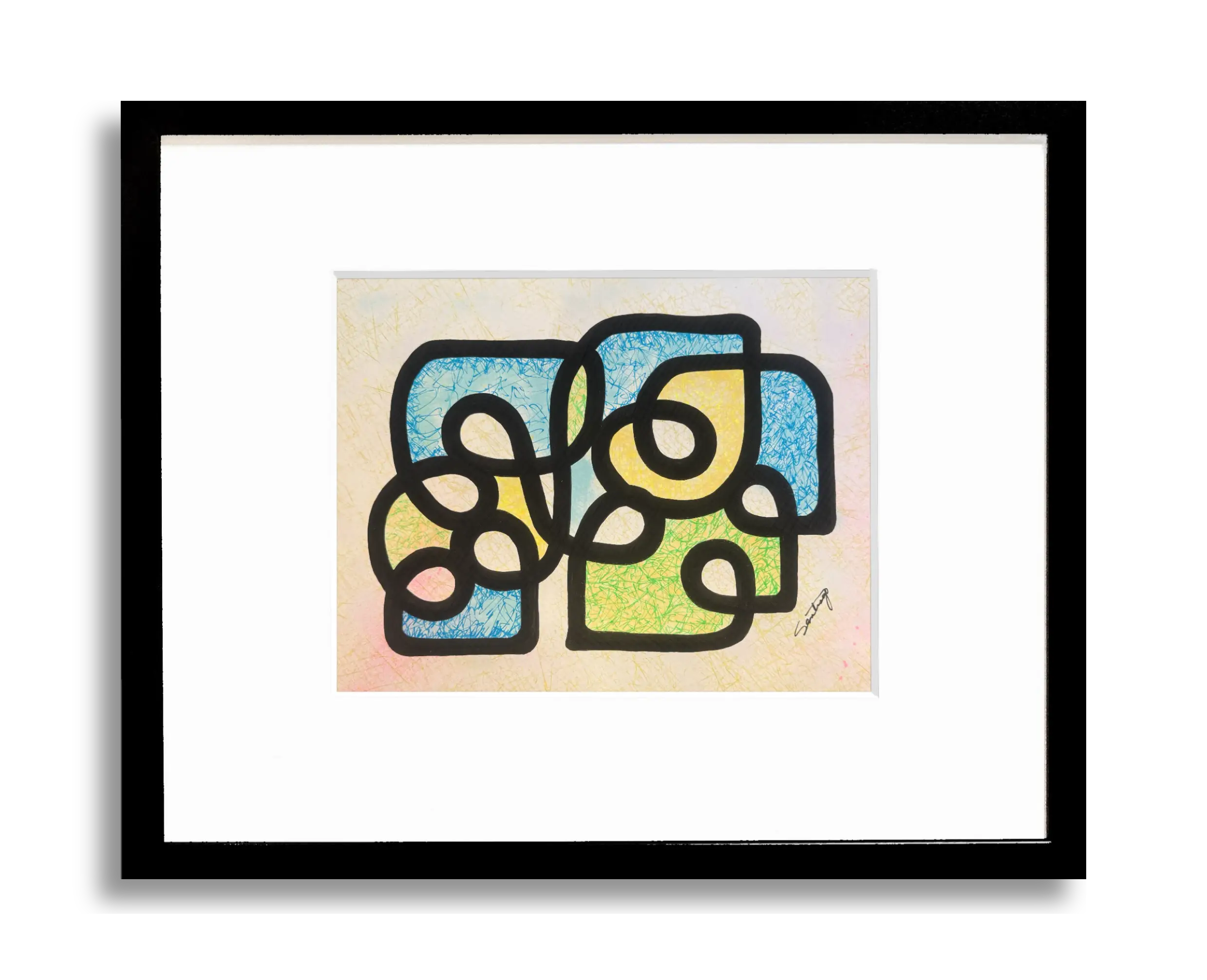
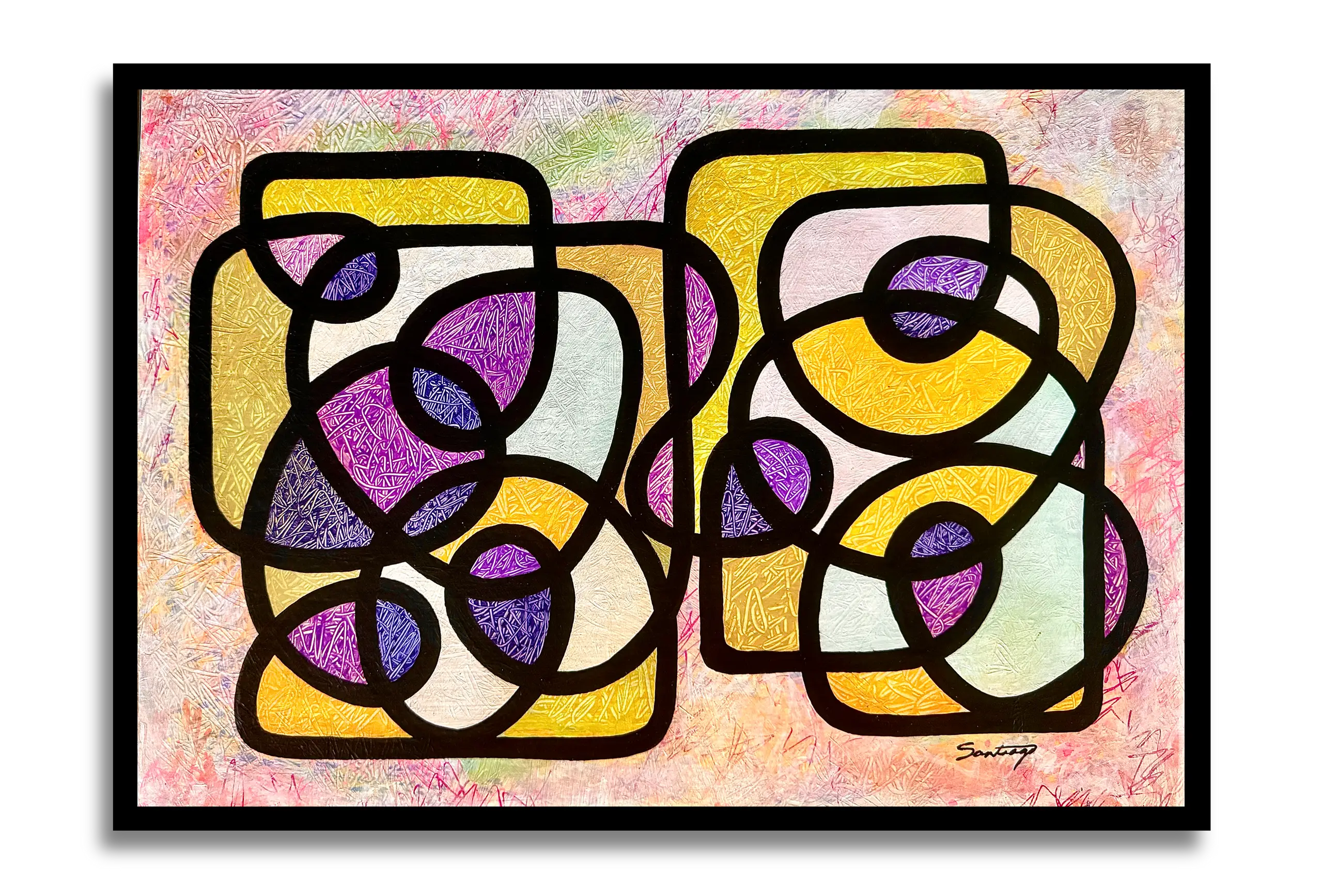
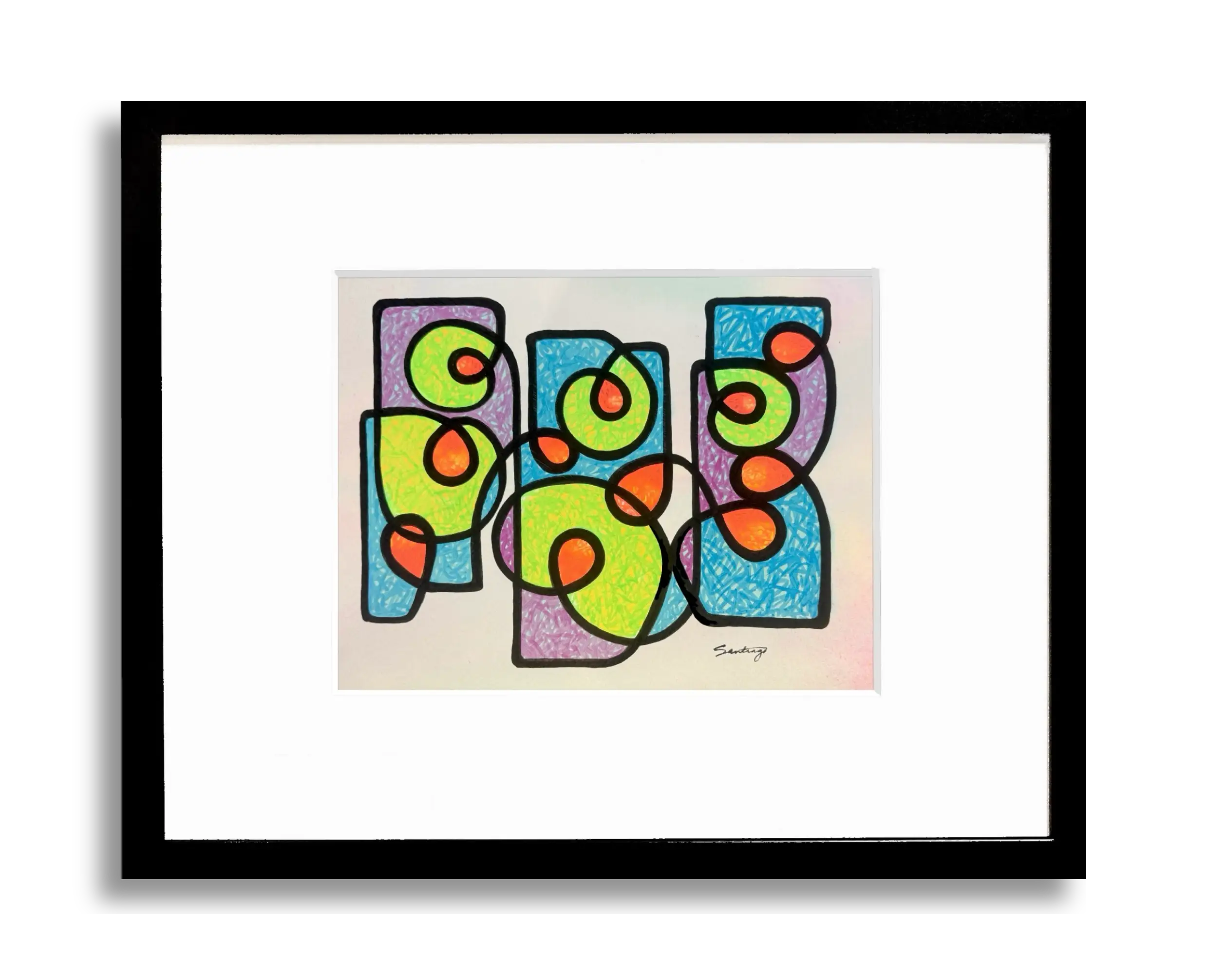
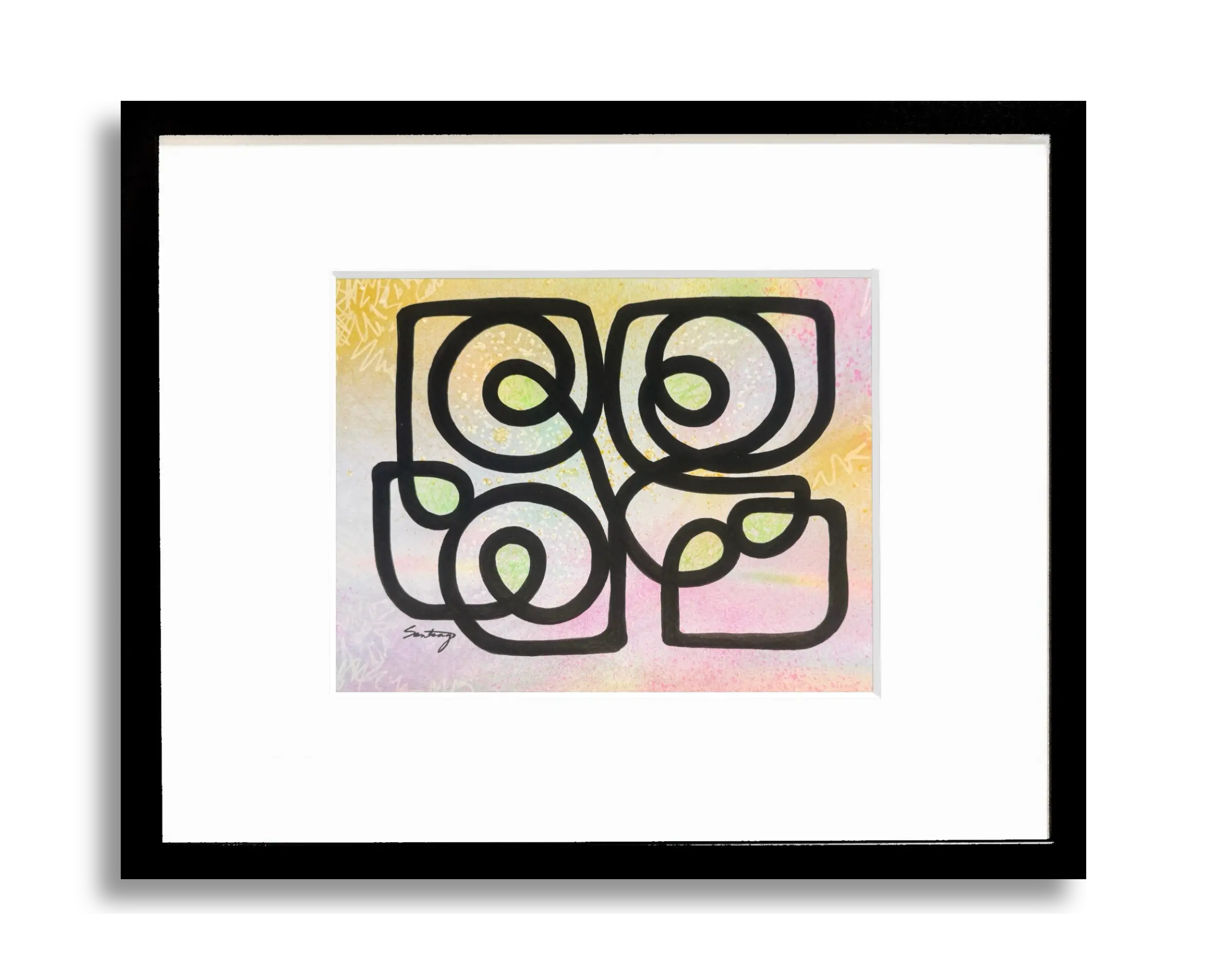
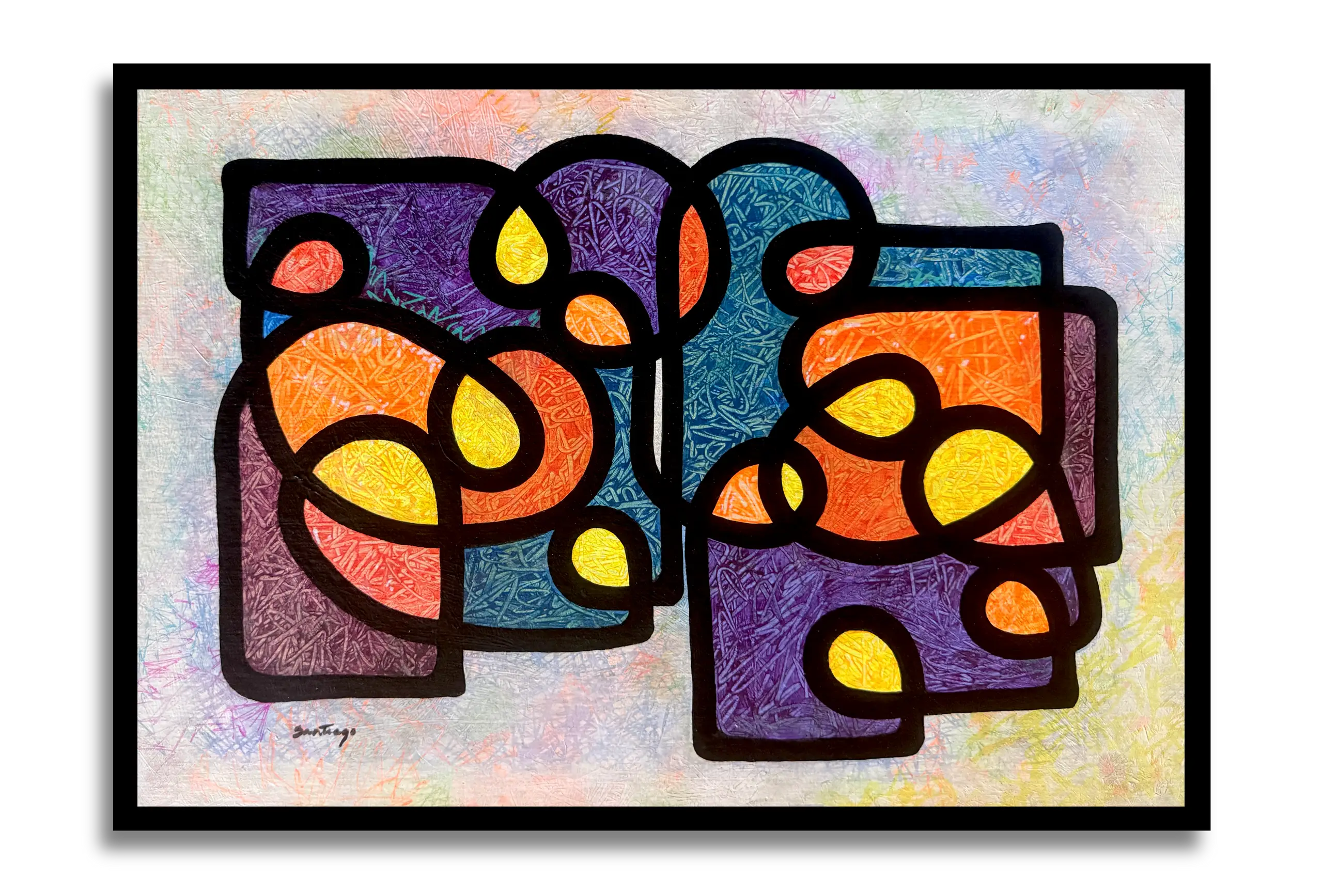
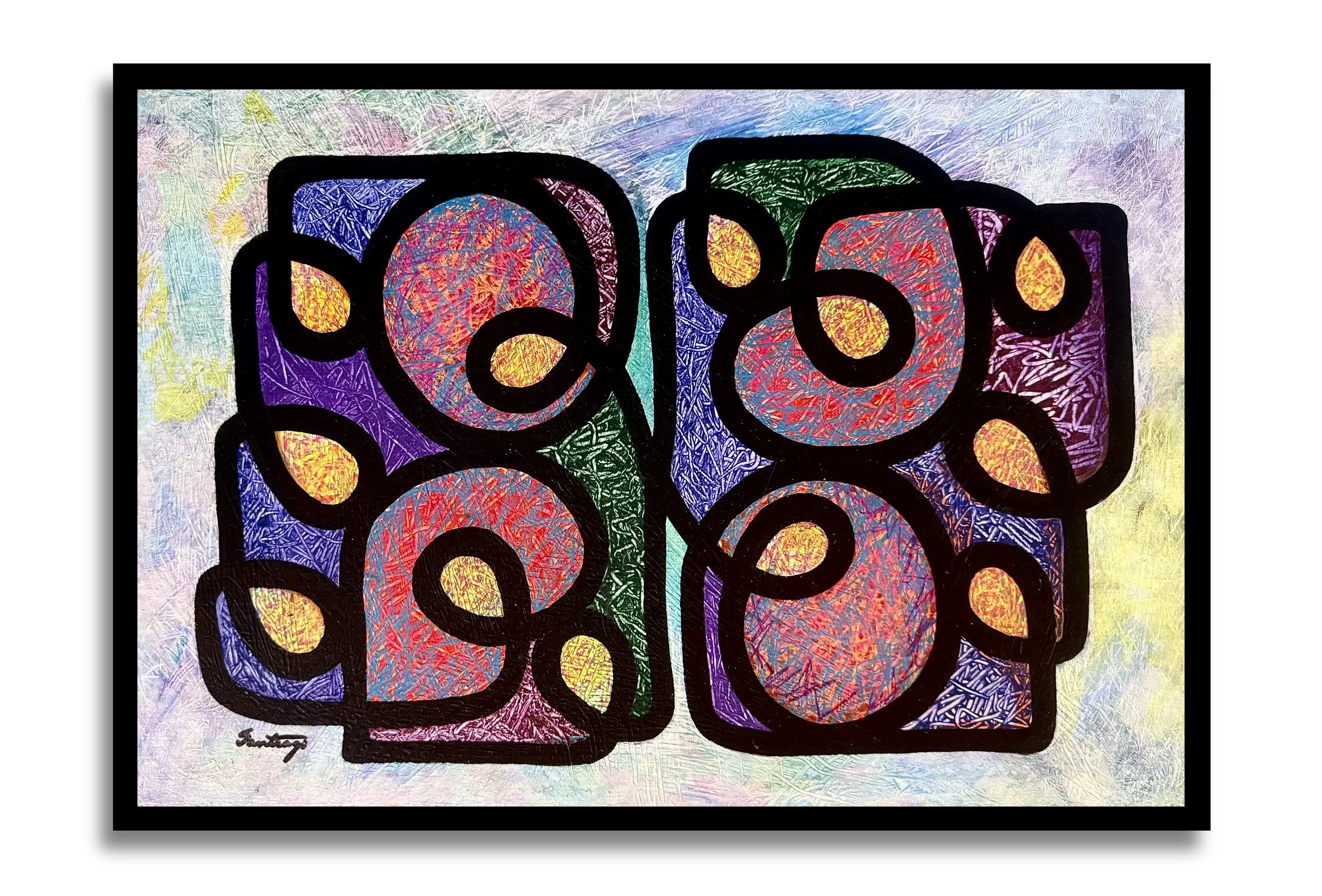
Loopy Loops Series 2026 a continuous line forming interconnected loops & shapes guiding the composition across surface. You may choose any starting point
Gallery of Work
About me
Carlos Santiago is a San Francisco, California–based contemporary artist whose work explores movement, spontaneity, and intuitive mark-making. His artistic journey began in childhood and found new momentum after he immigrated to the United States from the Philippines in 1970 at age eleven. Recognizing his innate talent shortly after his arrival, his educators encouraged him to enter competitive art programs, leading to numerous accolades throughout his school years and solidifying a lifelong passion for visual expression.
While Santiago initially navigated a practical career path—bringing his innate creative eye to diverse industries including construction, healthcare, dental technician and cosmetology—his dedication to fine art remained a constant, guiding force. Every professional chapter contributed uniquely to his spatial awareness, discipline, and understanding of form.
A pivotal turning point in his practice occurred in 2001 when Santiago began a year-long apprenticeship under the mentorship of listed artist Francesca Enriquez. ( according to AskArt.com she now base in Spain). This intensive period of study refined his technical skills and instilled a rigorous professional discipline that transformed his creative approach.
Working today in mixed media, Santiago has developed a distinctive visual language characterized by energetic lines, layered textures, and deeply meditative processes. His lifelong dedication to visual experimentation ensures that his work remains dynamic and evolving.
Inspiration
Loopy Loops Series- A Continuous Single Line Drawing 2026
“Determine your starting point, then follow the line.”
From a single line, this work develops through a strategic process in which curves and loops establish continuity and form the structure. It invites viewers to choose their own starting point and follow its path. The process is simple and meditative, encouraging focus, exploration, and the possibility of discovering something within oneself—just as I have experienced.
Each piece is created with mixed media, including fluorescent pigments. To take advantage of this feature, view under UV black-light, the colors intensify and appear to glow, revealing an alternate visual experience.